Elm Tree Removal in Allentown, PA
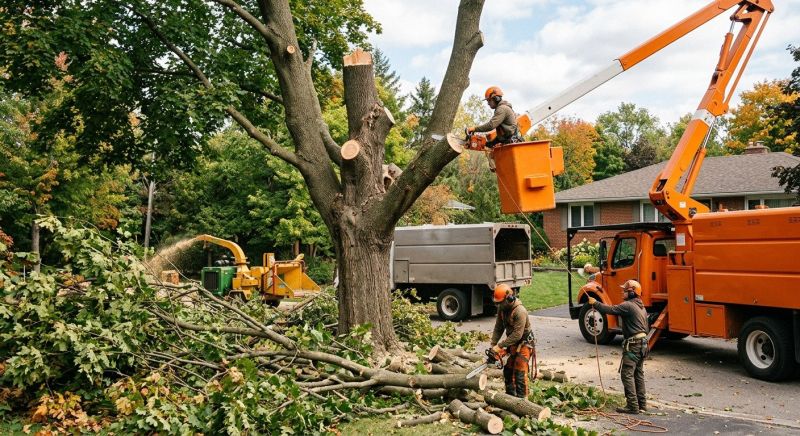
Elm tree removal services involve the careful and efficient removal of elm trees that are dead, diseased, damaged, or pose a risk to surrounding structures and landscape. These projects typically include assessing the tree’s condition, safely cutting and removing the tree, and handling the disposal of the debris. Homeowners often request this service when an elm tree has become hazardous, is crowding other plants, or is no longer healthy, ensuring safety and maintaining the aesthetic appeal of the property.
Before requesting elm tree removal, property owners should consider the size and location of the tree, as well as any potential impact on nearby structures, power lines, or other landscape features. It is also helpful to understand local regulations or restrictions related to tree removal, especially for larger trees or those near property boundaries. Proper planning and consultation can help ensure the removal process is safe, efficient, and aligned with the property’s landscape goals.
Many property owners in Allentown, PA look into Elm Tree Removal for repairs, replacements, upgrades, and appearance-related improvements.
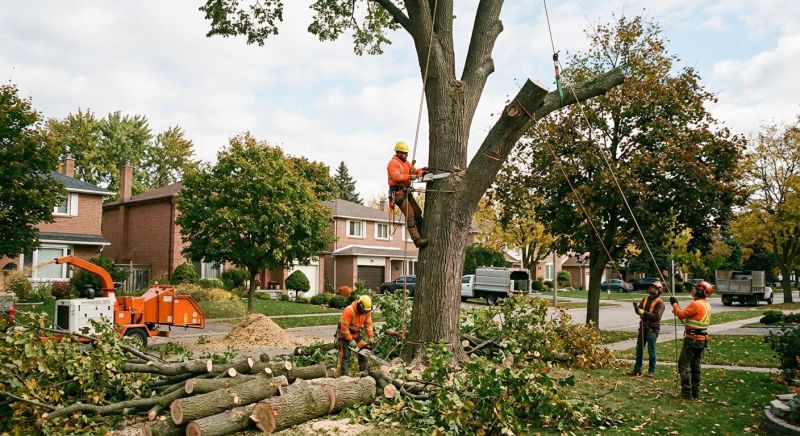
Reasons To Remove Elm Trees
Removing damaged or diseased elms can protect surrounding trees and structures.
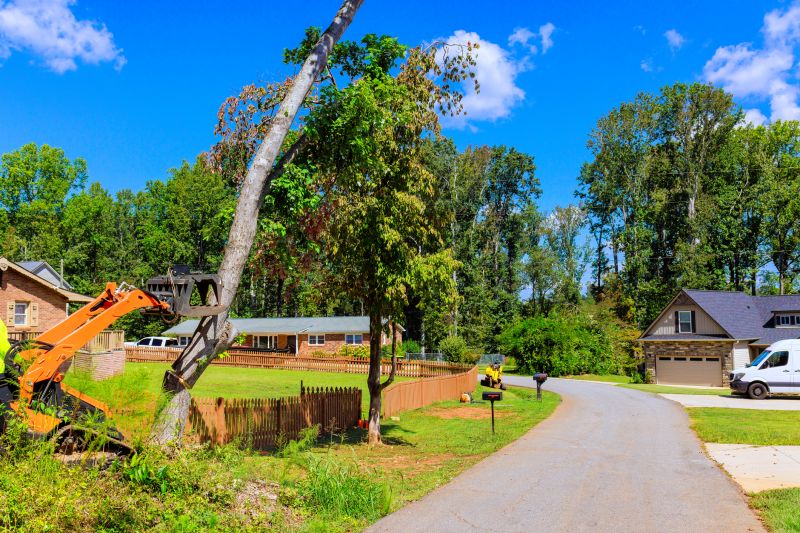
Elm Tree Removal Process
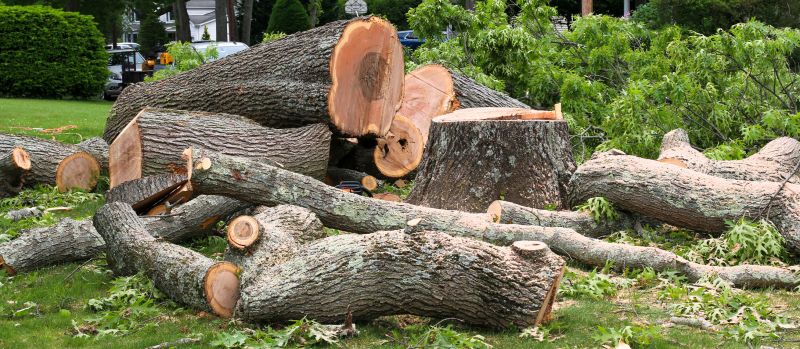
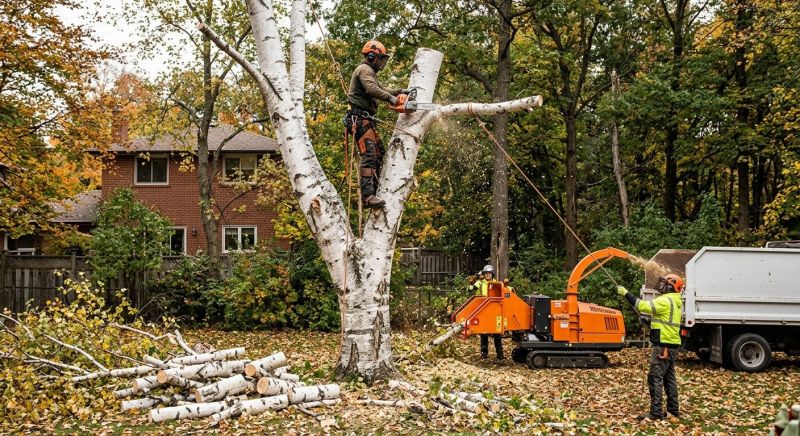
The process involves safely cutting down the tree and managing debris for property safety.
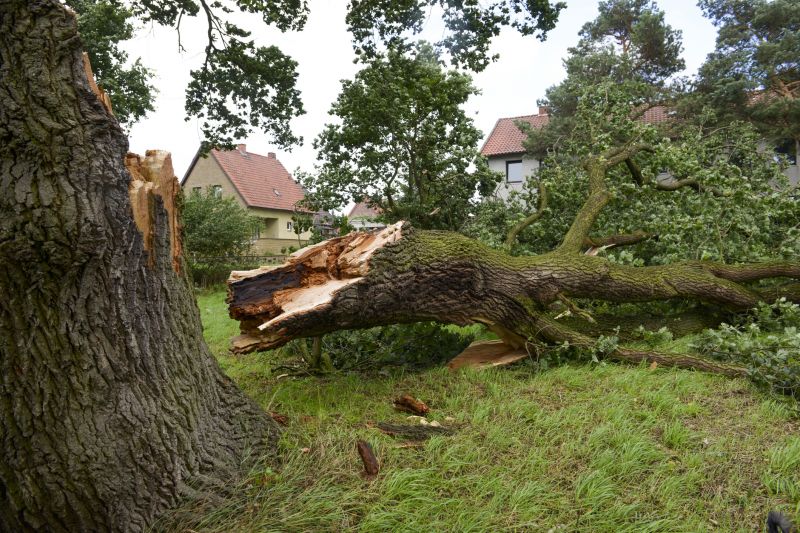
Considerations For Elm Removal
Factors like tree size, location, and potential hazards influence the removal approach in allentown, pa.
Elm Tree Removal in Allentown, PA
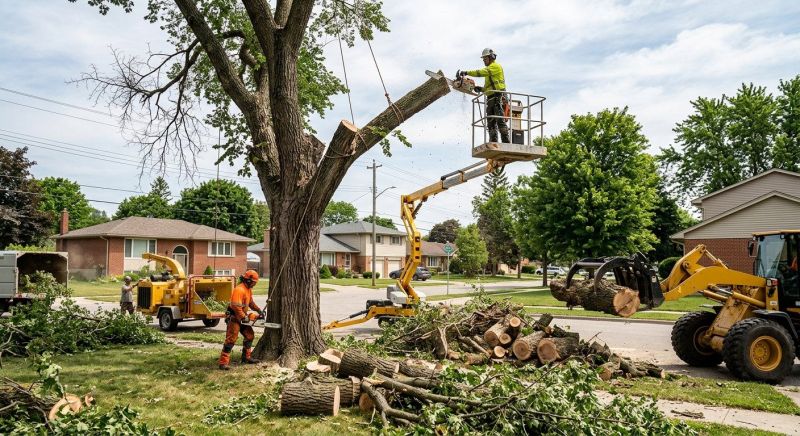
Elm tree removal services involve the careful and efficient removal of elm trees that are dead, diseased, damaged, or pose a risk to surrounding structures and landscape. These projects typically include assessing the tree’s condition, safely cutting and removing the tree, and handling the disposal of the debris. Homeowners often request this service when an elm tree has become hazardous, is crowding other plants, or is no longer healthy, ensuring safety and maintaining the aesthetic appeal of the property.
Before requesting elm tree removal, property owners should consider the size and location of the tree, as well as any potential impact on nearby structures, power lines, or other landscape features. It is also helpful to understand local regulations or restrictions related to tree removal, especially for larger trees or those near property boundaries. Proper planning and consultation can help ensure the removal process is safe, efficient, and aligned with the property’s landscape goals.
Many property owners in Allentown, PA look into Elm Tree Removal for repairs, replacements, upgrades, and appearance-related improvements.
Common Elm Tree Removal Jobs
Elm Tree Removal - safely removes damaged or dead trees to prevent hazards.
Emergency Elm Tree Removal - handles urgent situations involving fallen or unstable trees.
Selective Elm Tree Removal - removes specific trees to improve landscape health and aesthetics.
Stump Removal - eliminates remaining stumps after tree removal for safety and yard use.
Invasive Elm Tree Removal - removes problematic trees that threaten native plant life or property.
Hazard Tree Assessment - evaluates tree stability to determine if removal is necessary for safety.
Elm Tree Removal Questions
When is elm tree removal necessary? Removal may be needed if the tree is diseased, damaged, or poses a safety risk to property or people.
What should property owners consider before removing an elm tree? It's important to evaluate the tree's health, location, and potential impact on surrounding structures before removal.
Are there any regulations or permits required for elm tree removal? Local regulations may require permits for tree removal, especially for mature or protected trees, and it’s best to check with local authorities.
What are common reasons for removing an elm tree? Common reasons include disease, storm damage, overcrowding, or to improve landscape safety and aesthetics.
Request Elm Tree Removal in Allentown, PA
Use the quote form on this page to share the basics of your project and request more information for the type of work you need.